Fine and thin hair is the hardest hair to extend well — and the hair type that benefits most when it’s done right. The short answer for NZ clients: hand-tied wefts and small-bond K-tips are the best extensions for fine and thin hair, because both spread weight gently and hide well in low-density hair. Here’s the full method-by-method comparison from our Queenstown extension specialists.
First: Fine vs Thin (They’re Not the Same)
Fine hair means each strand is small in diameter; thin hair means fewer strands per square centimetre. You can be one, the other, or both — and it changes the recommendation. Fine-but-dense hair carries most methods happily. Thin hair needs lighter installs and smarter placement so attachment points stay hidden and your natural hair isn’t overloaded.
Hand-Tied Wefts: The Fine-Hair Favourite
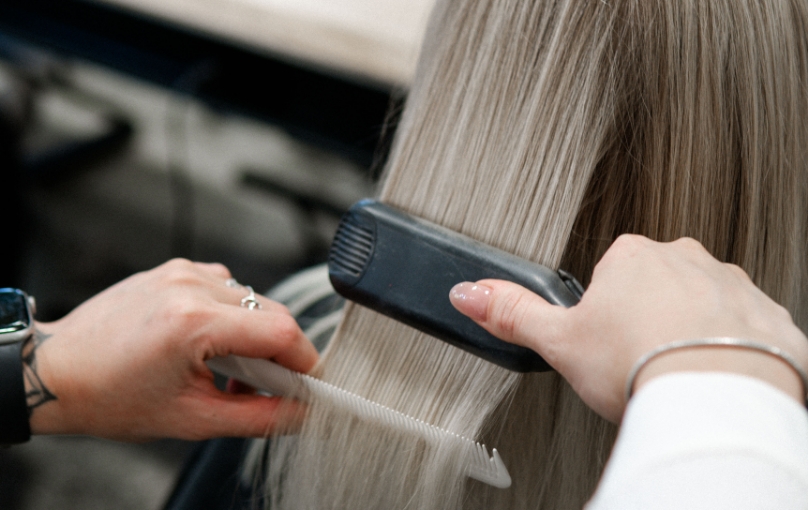
Wefts distribute weight along an entire row rather than at dozens of individual points, which makes them remarkably gentle on fine hair. A slim, hand-tied weft sits flat, adds serious density, and — placed correctly — disappears even in silky, fine hair. For thin-haired clients wanting volume more than length, a single row can be transformative without asking much of the natural hair at all.
K-Tips: Small Bonds, Precise Placement
K-tips shine where fine hair needs blending — around the face, hairline, and nape. Bonds can be made smaller for fine hair, carrying less extension hair per point so nothing strains. The keratin bond is also low-profile enough to stay hidden in hair that separates easily, which is where bulkier attachments get exposed.
I-Tips: Good, With a Caveat
I-tips attach with small beads and no heat, and they’re a solid option for fine-to-medium hair. The honest caveat: on very fine or fragile hair, beads can be more visible and can slip on ultra-silky strands. If that’s your hair, we’ll usually steer you toward a slim weft or small-bond K-tips at your consultation — the assessment exists so you get the method your hair can actually hold.
What We’d Avoid on Fine or Thin Hair
Heavy installs of any kind. More hair is not more flattering if your roots can’t support it — it’s traction stress waiting to happen, and it never blends. This is also why a genuine in-person density check beats any online quiz: the right answer is specific to your head. For a deeper dive on what works and what doesn’t, our earlier guide to extensions for fine hair pairs well with this one.
Frequently Asked Questions
What are the best hair extensions for thin hair in NZ?
Slim hand-tied wefts and small-bond K-tips. Both spread weight gently and stay hidden in low-density hair when placed by an experienced stylist.
Will extensions make my thin hair fall out?
Correctly weighted and maintained extensions don’t cause hair loss. Problems come from installs too heavy for the natural hair — which a proper consultation prevents.
Are wefts or K-tips better for fine hair?
Wefts for volume across the head; K-tips for blending precision around the face and hairline. Many fine-haired clients get the best result combining both.
Can extensions hide thinning patches?
Often, yes — strategic placement can add coverage and density. If thinning is ongoing, we’ll talk honestly about timing and may suggest addressing the cause first.
Ready to visit Iron + Ivy? Explore the best hair extensions in Queenstown — or book a free consultation today. 🖤
BACK TO BLOG