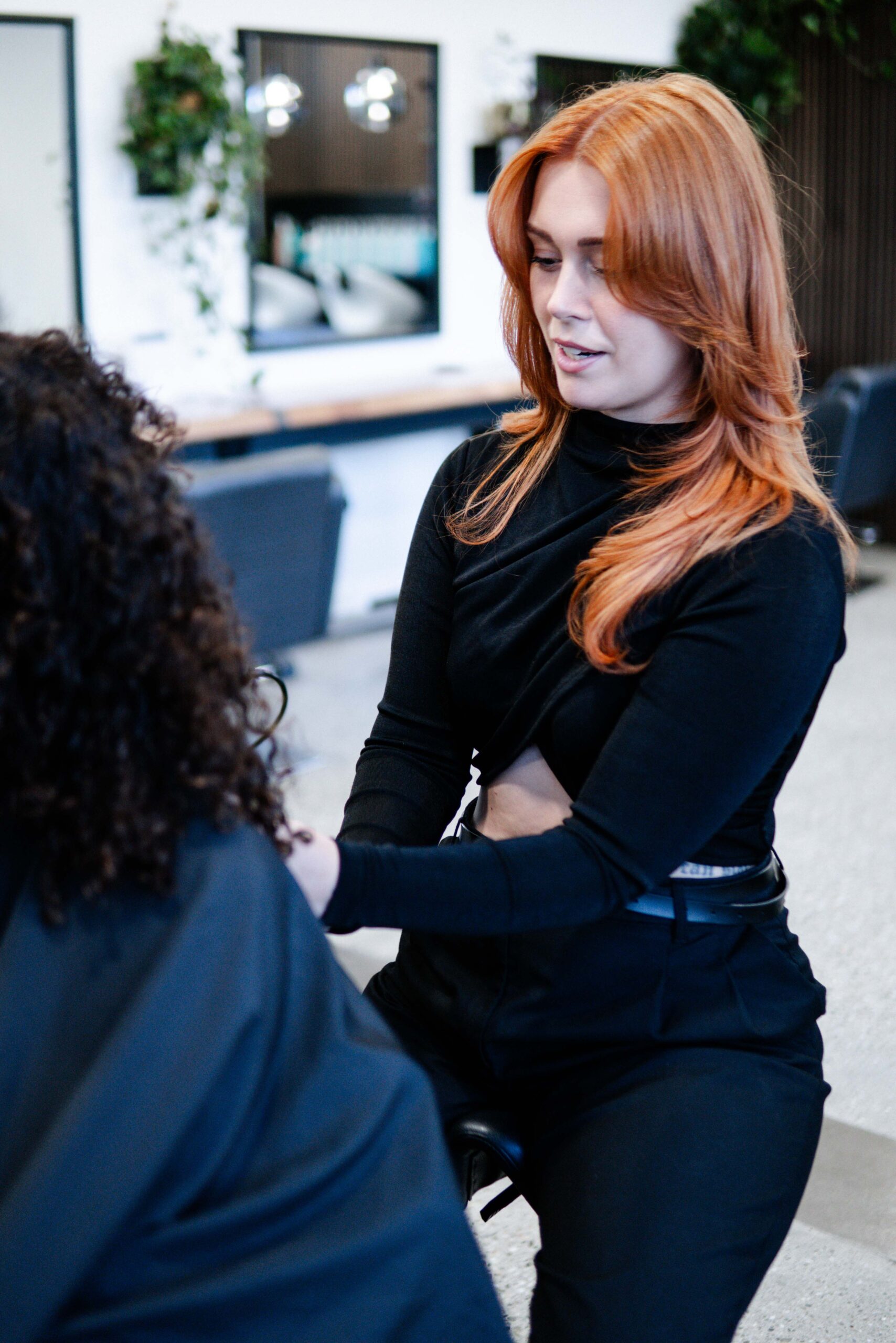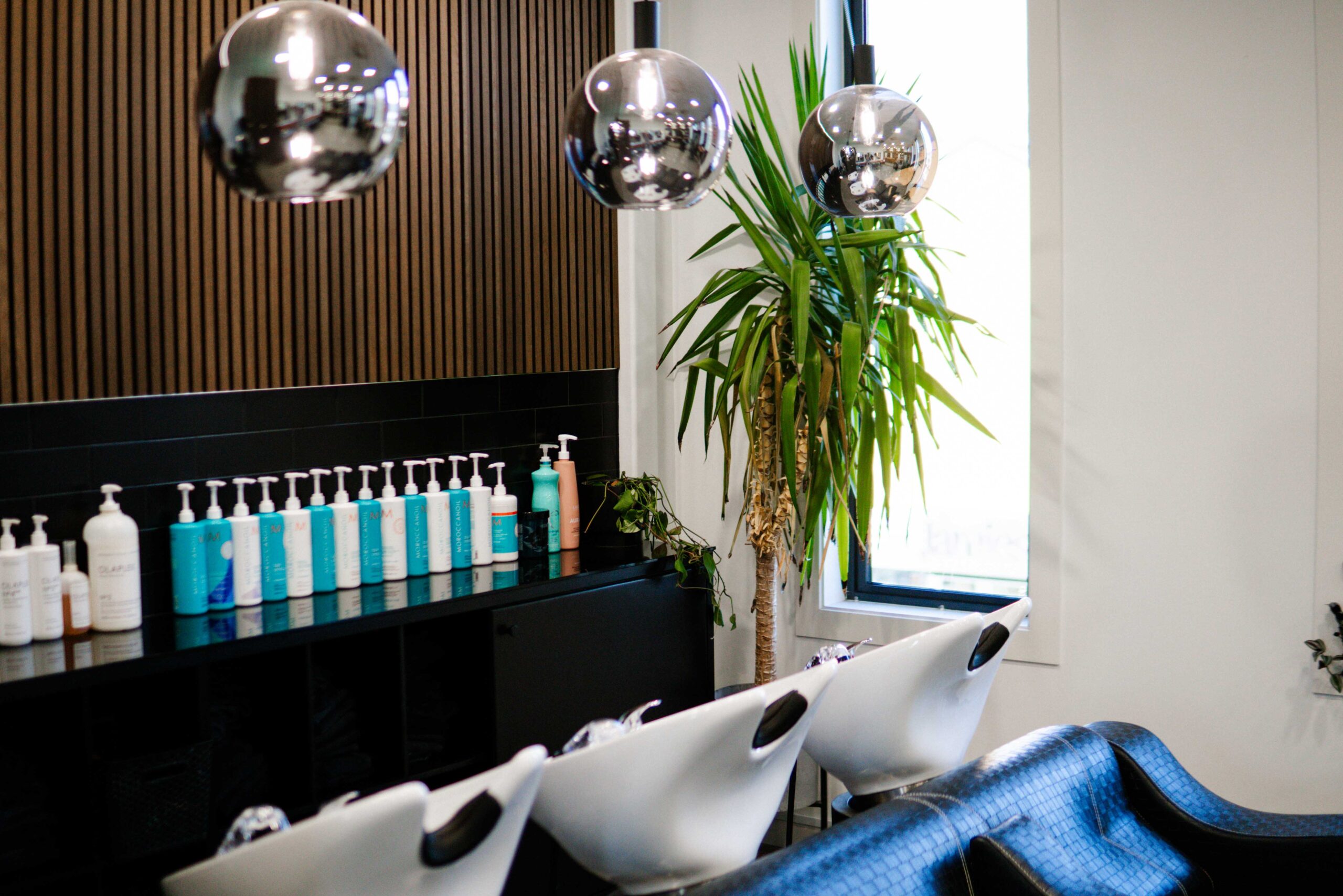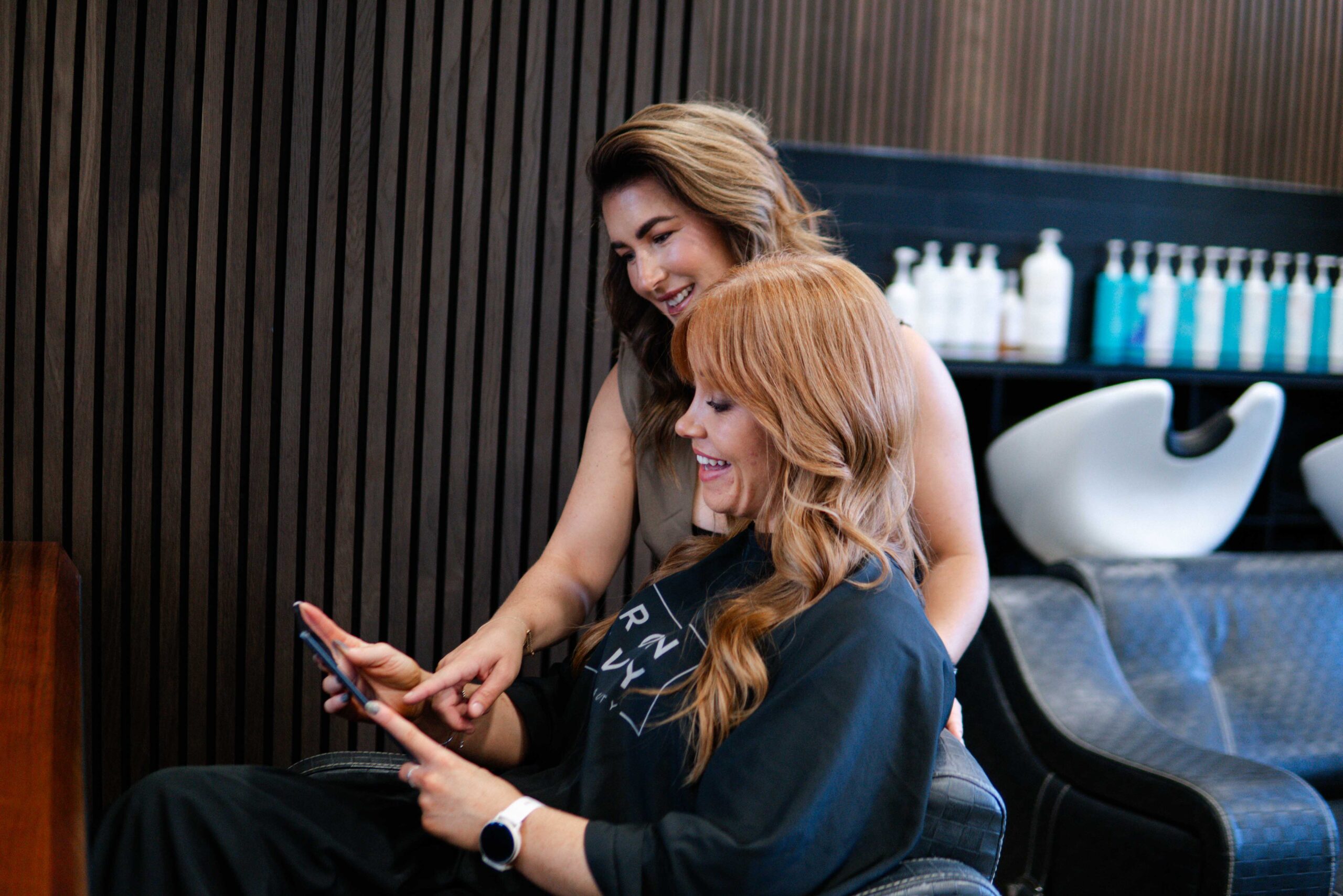
Yes — you can absolutely get balayage on dark hair in New Zealand, and done well it’s some of the most beautiful colour work there is. The honest caveats: dark hair takes more sessions to lift safely, warm tones will want to come through, and the difference between “dimensional caramel” and “brassy stripes” is entirely in the hands doing it. Here’s what dark-haired clients should know before booking — plus an explanation of the colour melt, the technique that makes dark balayage look expensive.
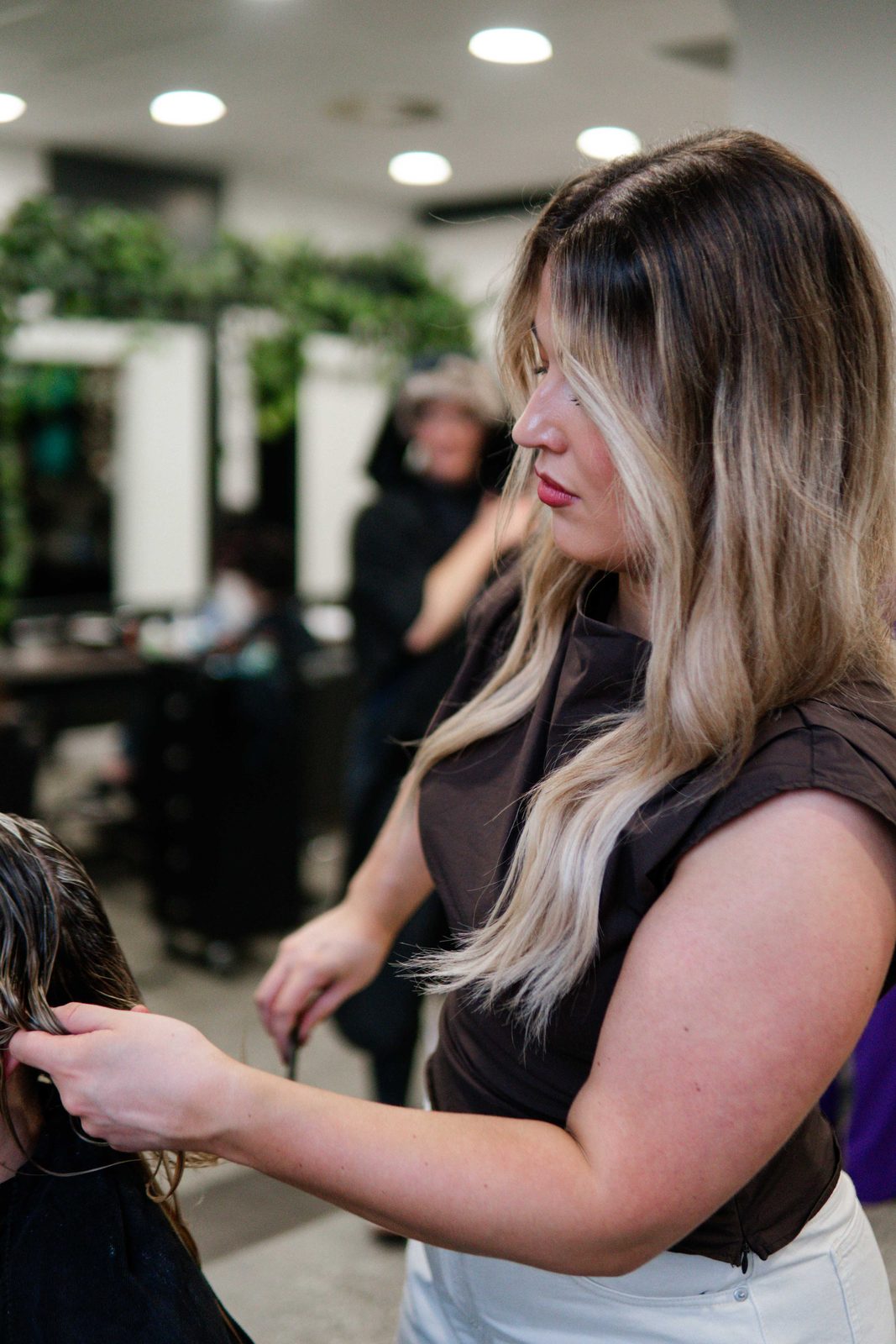
Why Dark Hair Balayage Is Different
Dark hair carries more underlying pigment, so lightening it passes through warm stages — red, orange, gold — before reaching caramel, bronde, or blonde. A skilled colourist works with that warmth rather than fighting it, choosing target tones that flatter your base and skin. It also means realistic expectations: going from dark brown to bright blonde balayage is usually a multi-session journey, not one appointment. Anyone promising otherwise is promising damage.
The Looks That Work Brilliantly on Dark Hair
Caramel and toffee ribbons through brunette bases, mocha balayage for a softer, cooler take, subtle face-framing “money piece” brightness, and rich bronde for clients who want lightness without leaving brunette territory. All of these keep your roots dark and natural, which is exactly why balayage suits dark hair: the regrowth is invisible, and maintenance visits stretch to 3–4 months.
What Is a Colour Melt?
A colour melt is the blending technique that removes any visible line between your dark base and the lightened lengths — three or more tones “melted” into each other so the colour reads as one seamless gradient. On dark hair it’s the difference-maker: without a melt, balayage can show bands; with one, the transition is invisible. It’s applied at the basin after your balayage, takes minutes, and it’s why some dark balayage looks airbrushed and some doesn’t. If you’ve seen dark-hair balayage you loved on Instagram, odds are there’s a melt in it.
Protecting Dark Hair Through the Lightening Process
Because dark hair needs more lift, bond protection matters more. We use Olaplex through every lightening service, keep sessions inside what your hair can safely take, and tone with intention so warmth reads as caramel rather than brass. Between visits: sulphate-free washing, heat protection, and a gloss or toner refresh if warmth creeps in — our gloss vs toner guide explains which does what.
Frequently Asked Questions
Can you get balayage on dark hair in New Zealand?
Yes — dark hair takes balayage beautifully. It needs a colourist who plans for the extra lifting stages and tones warmth deliberately; bright blonde results usually take more than one session.
Does balayage damage dark hair?
Not when the lift is staged sensibly and bond-builders like Olaplex are used. Damage comes from forcing dark hair too light too fast.
What’s the difference between balayage and a colour melt?
Balayage is the hand-painted lightening technique; a colour melt is the blending step that erases visible lines between tones. On dark hair they work best together.
How long does dark hair balayage last?
Because your natural root stays untouched, 3–4 months between appointments is normal — with a toner or gloss refresh in between if warmth develops.
Ready to visit Iron + Ivy? Explore balayage in Queenstown — or book a colour consultation today. 🖤
BACK TO BLOG