How do hair extensions actually work? At their simplest: real human hair is attached to your own hair, close to the root, using one of a handful of attachment systems, and each system behaves differently in the salon chair, in your daily routine, and at maintenance time. Here’s the plain-English guide to how extensions work in Queenstown salons, the main types available in New Zealand, and how to tell which one belongs on your head.
The Two Families: Strand-by-Strand vs Rows
Every professional method in NZ belongs to one of two families. Strand-by-strand methods attach small bundles of extension hair to matching sections of yours, point by point, dozens of tiny, hidden attachments spread around your head. Row (weft) methods attach a curtain of hair along a secured track, fewer attachment points, more hair per point. Strand-by-strand wins on blending and styling freedom; rows win on volume and speed.
The Main Extension Types in NZ
K-tips (keratin bonds), strand-by-strand, fused with a small keratin bond. The most seamless blend, full styling freedom including updos, and the longest wear between visits (3–4 months). Our pick for most clients, and what we fit most at Iron + Ivy.
I-tips (micro bead), strand-by-strand, secured with a small bead. No heat, no adhesive, reusable hair, 8–12 weeks between adjustments. The gentle-install choice.
Wefts, rows secured against the scalp, moved up every 6–8 weeks. The volume heavyweights, and surprisingly gentle on fine hair because weight spreads along the whole row.
Tape-ins, adhesive wefts sandwiched around your hair. Widely available in NZ; we’ve chosen not to offer them (the 6–8 week re-tape cycle and adhesive care rules ask a lot for the result). Clip-ins, temporary, DIY, in and out the same day; great for occasions, not a salon install. For what “permanent” really means across all of these, see our permanent extensions explainer.
What Happens in the Salon
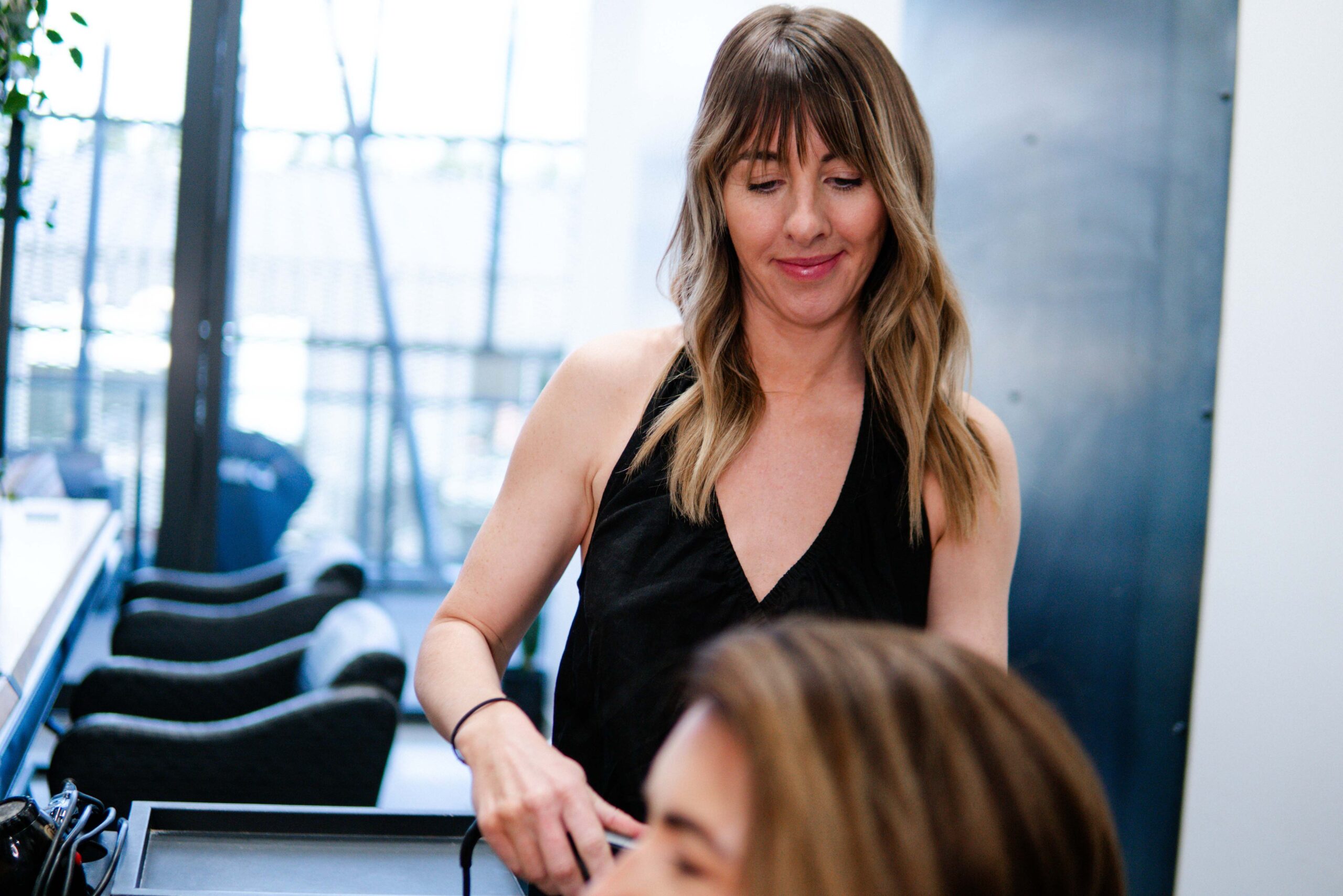
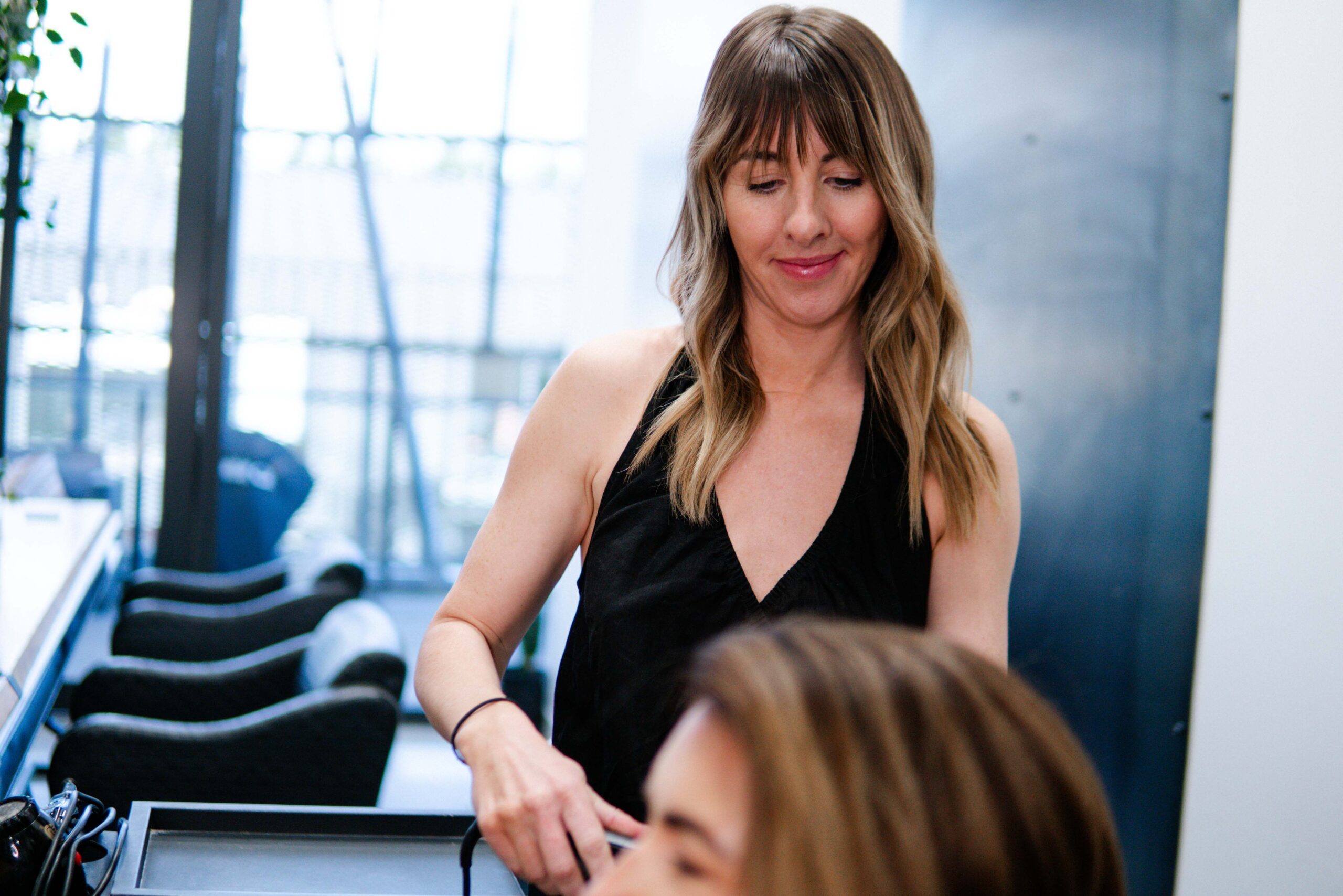
It starts with a consultation: density check, colour match, method recommendation, quote. Your hair is ordered, premium brands like Bellami and Great Lengths, then at the install your stylist sections your hair and attaches methodically, checking placement against how you part and tie your hair. Expect 2–5 hours depending on method and volume, finishing with a blend cut so the new length looks grown, not bought. Then it’s aftercare and scheduled maintenance from there.
What Makes Someone an Extension Specialist?
Certification in the methods they fit, a portfolio of real client work (backs of heads, not just fronts), honest density assessments, including telling you no when your hair isn’t ready, and transparent pricing that includes the maintenance story. Extensions are the most technical service in hairdressing; in NZ anyone can legally offer them, so the vetting is on you. Our cost guide and damage explainer arm you with the right questions.
Frequently Asked Questions
How do hair extensions stay in your hair?
Via keratin bonds (K-tips), small beads (I-tips), or secured rows (wefts) attached near the root by a professional. They stay in 24/7 between maintenance appointments.
What types of hair extensions are available in NZ?
K-tip, I-tip, weft, tape-in, and clip-in. Iron + Ivy Queenstown fits K-tips, I-tips, and wefts using premium human hair.
Do hair extensions hurt?
A correctly weighted install shouldn’t hurt. Mild awareness for the first day or two is normal; ongoing tenderness means it needs checking.
Can you swim and ski with hair extensions?
Yes, braid your hair for sport, rinse after swimming, and dry thoroughly. Queenstown clients do both all season.
Where to next? See hair extensions in Queenstown, or book a free consultation and we will plan it with you.
BACK TO BLOG